




Sign in See the demo

Your key account’s supplier assessment, returned in hours.

Your answers produced from your own documents, consistent with what you have already declared to other clients, sourced and approved by a named person. Pre-sales makes the calls instead of drafting, and the deal no longer waits for three experts to be available.

  • Excel, Word, customer portal
  • Consistency across clients checked
  • 109 languages
  • 0 data outside your environment1

What is a customer questionnaire?

A customer questionnaire is the assessment grid a key account sends to a supplier during procurement, to check its soundness before signing a contract. It mixes commercial, technical, security, ESG and compliance questions, and often determines whether you move on to the next stage.

Definition as used on this page. See the glossary.

1 “Environment” means your private instance, whichever deployment mode applies: SaaS, private cloud or on-premise.

The scene

The deal is going well. Then procurement sends its assessment.

  1. 01120 questions, five domains, a single deadline: next week.
  2. 02Pre-sales has to call on security, legal, ESG and IT.
  3. 03These same questions were answered for three other clients this year.
  4. 04Nobody knows where the latest version of the answers sent is.
  5. 05One question concerns an availability commitment that nobody is authorised to give alone.
  6. 06The assessment will be annexed to the contract: whatever is ticked becomes enforceable.

The real cost

What the assessment really costs the sales cycle

A completed assessment is not a sales document: once annexed to the contract, it becomes enforceable.

  1. Time

    Ten extra days in the cycle

    By the time four internal contributions come in, the closing slips to the next quarter. The competitor who answers in three days gains the advantage.

  2. Energy

    Four experts diverted

    CISO, legal counsel, IT department, ESG: each spends half a day on questions already answered elsewhere, and does so grudgingly.

  3. Risk

    The commitment too far

    So as not to lose the deal, a box is ticked too generously. It becomes a contractual obligation that operations will have to meet.

  4. Forgetting

    No commercial memory

    The file goes out by email and drops off the radar. At renewal, nobody knows what was promised, or by whom.

With Optivalue.ai

Seven stages, from assessment received to assessment returned

Stage 1 of 7

Connect your sources

Product sheets, standard contracts, security policies, certificates, service commitments, ESG documentation. Pre-sales has nothing to prepare: your existing documentation is enough.

Stage 2 of 7

Indexing, with version history

This year’s standard contract replaces last year’s; the service commitment in force takes precedence over the draft version. This hierarchy is what stops you promising the old version.

Stage 3 of 7

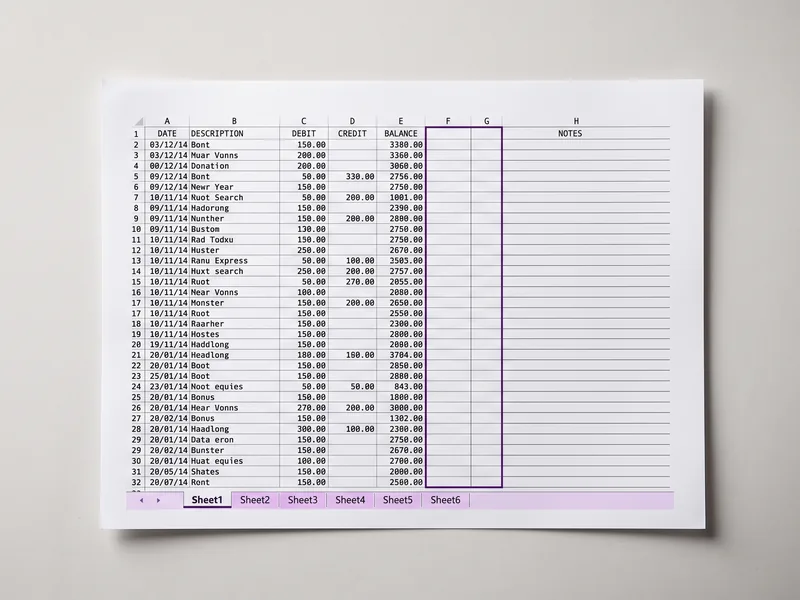
Upload the assessment, or enter it in the portal

The client’s Excel workbook, a Word form, or a supplier assessment portal via the browser extension. The original format is preserved, drop-down lists included. The portal case.

The portal case

Stage 4 of 7

The agents answer, domain by domain

Security, legal, ESG, technical: the relevant function and sector agents handle each section from your documents. Questions that genuinely require a human decision are isolated, usually around ten out of a hundred and twenty.

Stage 5 of 7

Checks, scores and commitment detection

Questions that create an implicit contractual commitment are flagged before sending: availability, notification periods, reversibility, penalties. Each answer carries its score from 0 to 100 and its source, and any discrepancy with a commitment already given to another client is highlighted.

Stage 6 of 7

Gaps dealt with before sending

When no document evidences the expected answer, the gap is declared along with the expert to call on, and the missing document can be drafted with you. See the mechanism.

See the mechanism

Stage 7 of 7

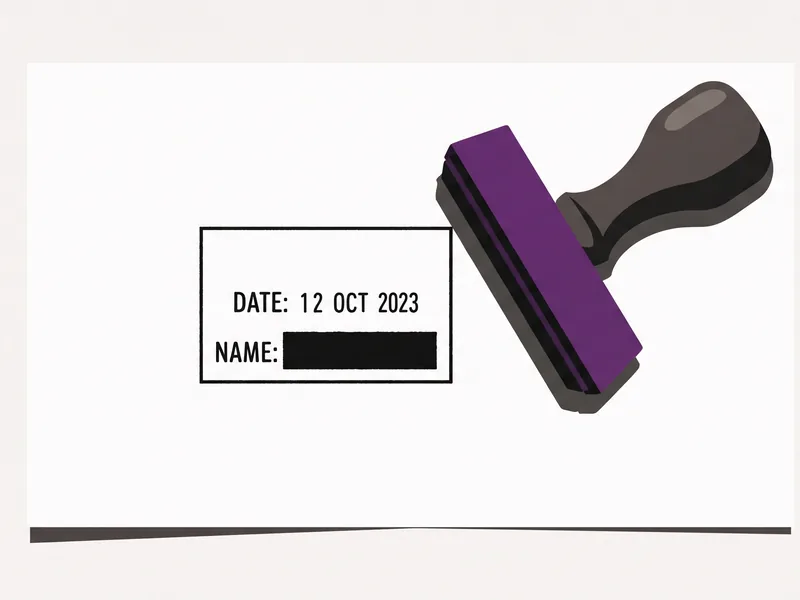
Named sign-off and return in the exact format

Pre-sales reviews the low scores and the commitments, the experts approve by name what falls within their remit, and the assessment goes back in its original formatting. At renewal, you will know exactly what was promised, by whom and on what basis.

What remains afterwards

The next assessment will no longer tie up four experts.

Every approved answer becomes reusable for all the clients who ask the same question in a different way. Your experts are only called on for what is genuinely new, and pre-sales takes back control of its schedule.

A record of commitments

Who promised what, to which client, on what date, based on which document.

A consistent message

Three clients who ask the same question get the same answer.

Experts who are available

Asked about ten questions instead of a hundred and twenty, they answer quickly.

The difference

Why these answers pass the procurement review

Agents trained in evidence

We come from governance, risk and compliance (GRC): writing the policies, tracking the risks, producing the evidence a third party demands. That practice is trained into 72 function agents, 12 sector agents and a librarian.

Born in compliance

A record for the day of a dispute

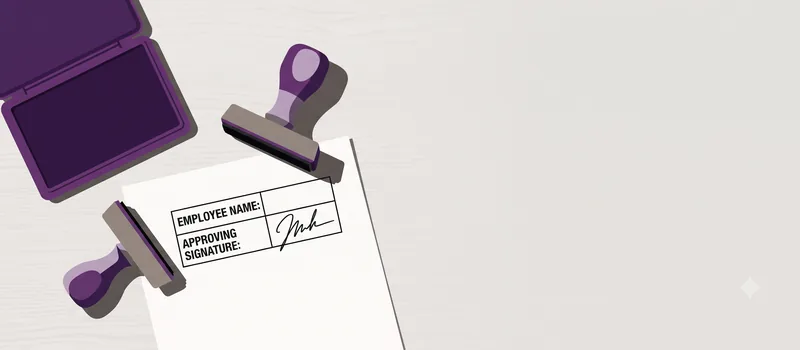
If a commitment is challenged during the contract, you show the source cited, its version on the date of the answer and the approver’s name. That is what distinguishes a statement from a promise.

The anatomy of a defensible answer

Your pipeline stays with you

The client’s name, the content of the assessment and your documents stay in your private instance, never shared, in the jurisdiction you choose.

Sovereignty in detail

Client requirements follow the regulations

Your clients pass their own regulatory obligations on into their assessments. Optivalue Watch monitors 193 jurisdictions and updates the assessment grids when a text changes.

The ecosystem

A general-purpose assistant writes a follow-up email or a meeting summary very well. The line is the signature: an assessment annexed to the contract requires the source, the score and the approver.

The ecosystem

You receive these assessments; you also send them to your own suppliers. Optivalue Reach sends them, chases on your behalf and assesses the answers received with the same evidence mechanism.

Discover Reach →

Frequently asked

Customer questionnaires: the eight questions that come up

01

Who answers, if not pre-sales?

The platform produces the answers from your documents; pre-sales makes the calls and reviews. Questions that genuinely require an expert are sent to that expert by name, with the deadline, usually around ten out of a hundred and twenty.

02

How do we keep the same answer from one client to the next?

All answers come from the same versioned repository and are compared with the approved history. Any discrepancy with a commitment already given is flagged before sending, with the two wordings side by side.

03

What about questions that create a contractual commitment?

They are detected and flagged: availability, notification periods, reversibility, penalties. The platform does not tick them on its own; it escalates them to the person authorised to commit.

04

The client insists on its own portal. Is that a problem?

No: the browser extension fills in the portal fields from your repository, with the same score and the same traceability as a file. See the online portals page.

05

The assessment arrives in English or German.

The answer is produced in the expected language, with the regulatory vocabulary of the recipient’s country, from a single repository. 109 languages are supported. See the multilingual page.

06

Is our commercial data exposed?

No: everything stays in your private instance, never shared, in the jurisdiction you choose, and nothing is used to train a model. See the sovereignty page.

07

Do we need an IT project to get started?

No: seven minutes to connect your sources, no content migration, no answer library to write in advance. The first assessment can be handled the same day.

08

What happens if we do not have the requested document?

The gap is declared, the expert named, and the missing document can be drafted with you in your context before sending. See the missing documents page.

Bring the last supplier assessment you filled in.

We process it in front of you, on your documents, in your environment. In one hour you will see how many questions can be handled without calling on anyone.

Demo on your documents See the interactive demo