



Agents trained on evidence, not tone
We come from governance, risk and compliance, where an answer has to be proved, versioned and signed. That practice is trained into 72 function agents, 12 sector agents and a librarian.
How it worksRFP annexes become contractual, and the buyer will read your RFP answers against what you said at RFI stage. Every answer is drafted from your own documents, with its source, score and named approver, which is what keeps the whole sequence consistent.
An RFP, or request for proposal, is the document by which a company invites suppliers to propose a detailed solution, with its method, resources and price. It usually follows an RFI, which only gathers market information, and precedes an RFQ, which asks for price alone.
Definition as used on this page. See the glossary.
“Your environment” means your private instance, whichever deployment mode applies: SaaS, private cloud or on-premise.
The scene
With Optivalue.ai
1 / 7
Product documentation, standard contracts, security policies, certificates, service commitments, ESG reporting. No content migration, no answer library to write first.
2 / 7
This year’s standard contract supersedes last year’s; the service commitment in force outranks the draft. That hierarchy is what stops you promising a withdrawn term.
3 / 7
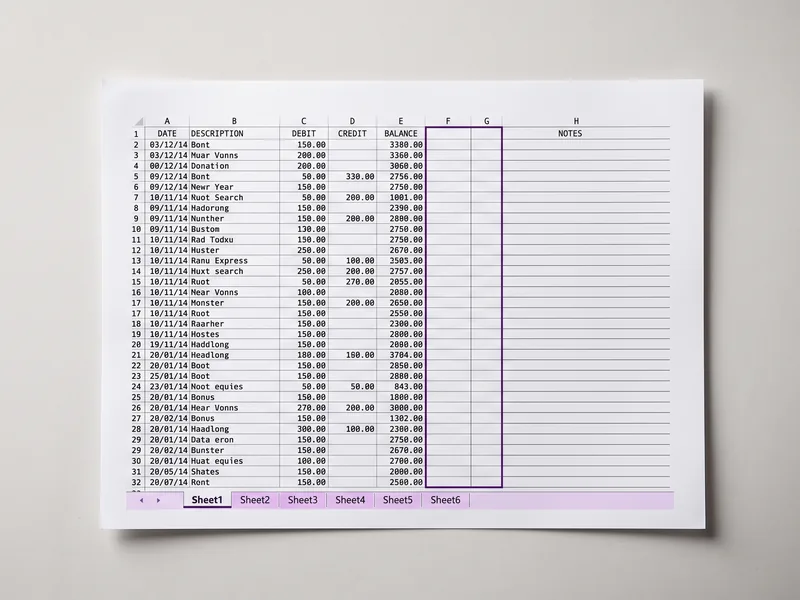
Excel workbook, Word form or supplier portal via the browser extension. The original format is preserved, drop-down lists included.
4 / 7
Security, legal, ESG and technical sections are handled by the relevant function and sector agents. Questions that genuinely need a human judgement are isolated, typically a dozen out of two hundred.
5 / 7
Answers are compared with what you said at RFI stage and with commitments given to other clients. Any divergence is flagged before submission, with both sources side by side.
6 / 7
Where no document supports the answer, the gap is declared with an owner named, and the missing document can be drafted with you. How that works.
How that works7 / 7
Presales reviews low scores and detected commitments, experts approve what belongs to them, and the workbook goes back in its original formatting.
The difference
We come from governance, risk and compliance, where an answer has to be proved, versioned and signed. That practice is trained into 72 function agents, 12 sector agents and a librarian.
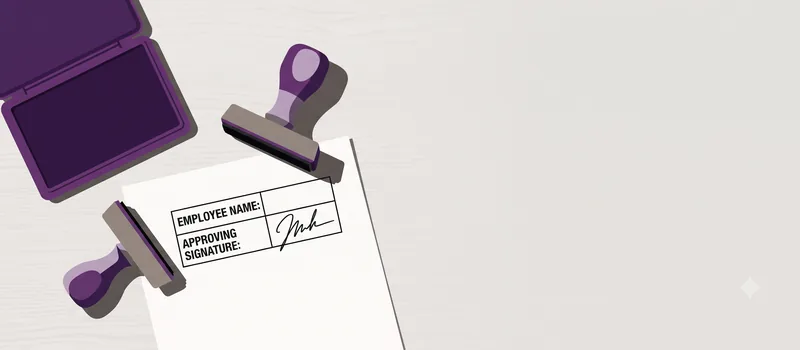
How it worksIf a commitment is challenged mid-contract, you show the source cited, its version at submission and the approver’s name. That is what separates a statement from a promise.
The anatomy of a defensible answerClient names, deal content and your documents stay in your private instance, never shared, in the jurisdiction you choose. Nothing trains a shared model.
Sovereignty in detailBuyers pass their own regulatory obligations down to you. Optivalue Watch monitors 193 jurisdictions and updates the assessment grids when a text changes.
The ecosystemA general-purpose assistant writes an excellent follow-up email or meeting summary. The line is the signature: an annexe attached to a contract needs the source, the score and the approver.
Frequently asked
An RFI gathers market information, an RFP asks for a detailed proposal with method and price, an RFQ asks only for price against a fixed specification. What you write in the RFI will be quoted back at RFP stage.
Because RFP annexes become contractual and the commitments in them are enforceable for the life of the contract. The audit trail protects your organisation as much as it reassures the buyer.
Yes, through the browser extension: fields are filled from your repository with the same source, score and audit trail as a file. Nothing is submitted without your confirmation.
By the security agents, from your policies and certificates, with the same gap mechanism when a document is missing. See security questionnaires.
Answers are produced in the language expected, from a single repository, using the regulatory vocabulary of the recipient’s country. 109 languages are supported.
Drafting takes minutes; the real elapsed time is review and commitment arbitration. On comparable volumes the observed order of magnitude is half a day rather than several days.
We run it in front of you, on your documents, and we show the commitments the workbook makes you take without saying so.