


Connexion See the demo

DDQ response software with a source behind every answer.

Funds, investors and institutional clients expect answers that are verifiable and consistent with what you said last year. Each answer cites its document, page and version, carries a 0-to-100 score, and is signed off by a named person, and divergences from your own history are flagged before you send.

  • Consistency across submissions
  • Sections assigned by function
  • Data room kept in order
  • 0 data outside your environment

What is a DDQ?

A DDQ, or due diligence questionnaire, is an investigation grid sent by an investor, acquirer or institutional client before a commitment. It covers governance, finance, compliance, operational risk and outsourcing, and each answer must be backed by verifiable evidence.

Definition as used on this page. See the glossary.

“Your environment” means your private instance, whichever deployment mode applies: SaaS, private cloud or on-premise.

The scene

The fund sends 240 questions. Signing is six weeks away.

  1. 01The questions span five functions: finance, legal, security, HR, operations.
  2. 02Each answer must point to a document in the data room.
  3. 03A second round of questions will follow the first.
  4. 04Executives are busy with the transaction, not with drafting.
  5. 05One answer contradicts last year’s questionnaire and nobody remembers.
  6. 06Lawyers will read this, then auditors.

With Optivalue.ai

Seven stages, from first round to signing

1 / 7

Connect your sources

Articles, board minutes, accounts, material contracts, insurance policies, internal policies, registers. Documents stay where they are; the index lives in your private instance.

2 / 7

Indexing and version control

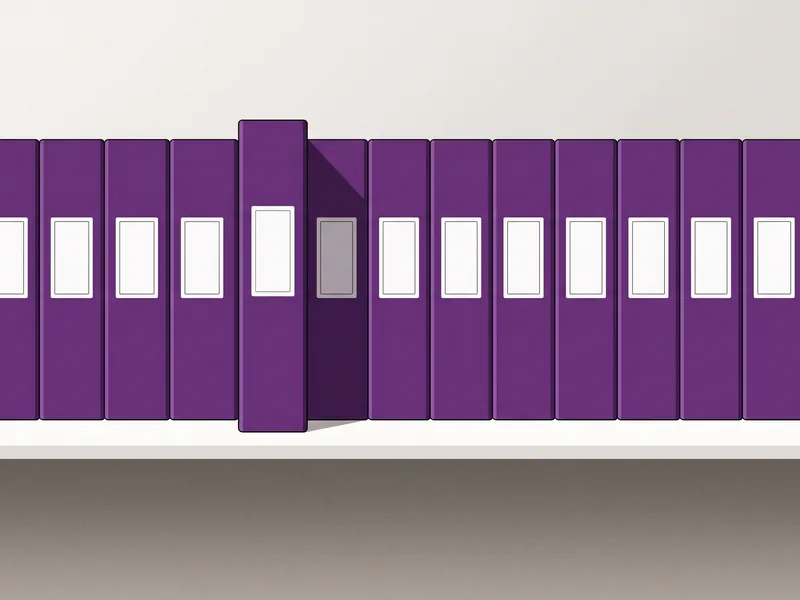
The amendment supersedes the original contract; the executed version outranks the draft. That hierarchy is what stops a stale document being cited into a data room.

3 / 7

Upload the DDQ and split it by function

The questionnaire is loaded in the format received, then divided by domain, each section with a named owner and approver and visible progress.

4 / 7

The agents answer, evidence attached

Relevant function and sector agents draft each answer from your documents with the exact reference. An answer with no supporting evidence is not produced: it is declared as a gap.

5 / 7

Checks, score and consistency control

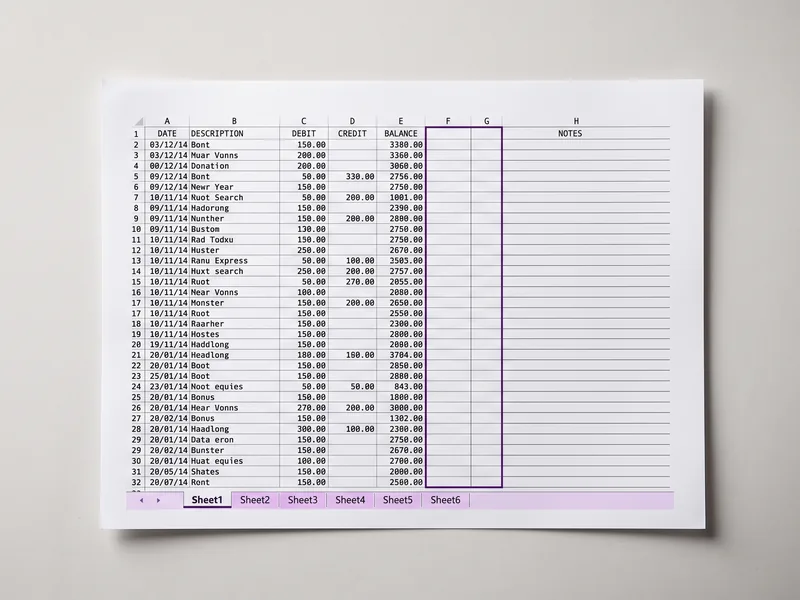
Beyond the seven anti-hallucination checks, answers are compared with each other and with the history of previous questionnaires. A divergence is shown with both sources side by side, before sending.

6 / 7

Missing evidence handled before sending

A missing document is flagged with the expert to involve, and can be drafted with you, policy, procedure, organisational note. How that works.

How that works

7 / 7

Named sign-off and export

Each answer leaves with its approver and timestamp, in the format the fund requires. The second round reuses this repository and takes hours.

The difference

Why these answers hold up in front of lawyers

Expertise in evidence, not prose

We come from governance, risk and compliance: writing policies, tracking risk, producing the proof a third party demands. That practice is trained into 72 function agents, 12 sector agents and a librarian.

How it works

Replayable in two years

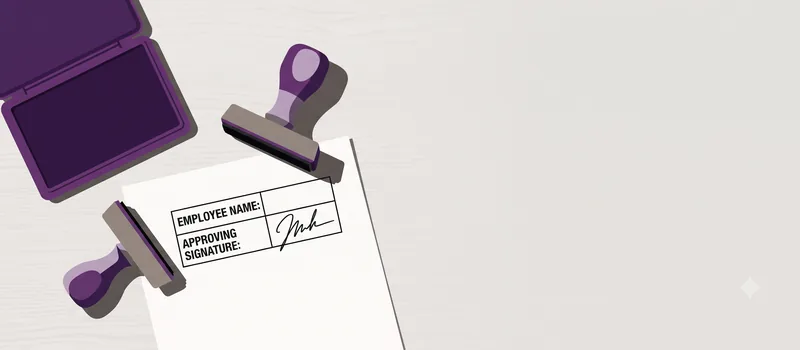
If a statement is challenged after closing, you can show the document cited, its version on the answer date, and the approver’s name, in that order, which is how a lawyer asks.

The anatomy of a defensible answer

Confidential material stays put

Unpublished accounts, strategic contracts, live disputes: private instance never shared, jurisdiction of your choice among more than 80 countries, on-premise with air-gap support if the deal requires it.

Sovereignty in detail

Obligations tracked in 193 jurisdictions

An international DDQ probes different regimes depending on where you operate. Optivalue Watch updates the grids when a text changes, country by country.

The ecosystem

A general-purpose tool can summarise a contract or prepare an internal note. The line is the signature: a statement made to an investor needs the document, the version, the score and the approver.

Frequently asked

DDQs: the questions that come up

01

How do you avoid inconsistencies between answers?

All answers come from the same versioned repository and are compared with the approved history before sending. Where two answers diverge, both sources are shown side by side for a human decision.

02

Can several teams work on one DDQ?

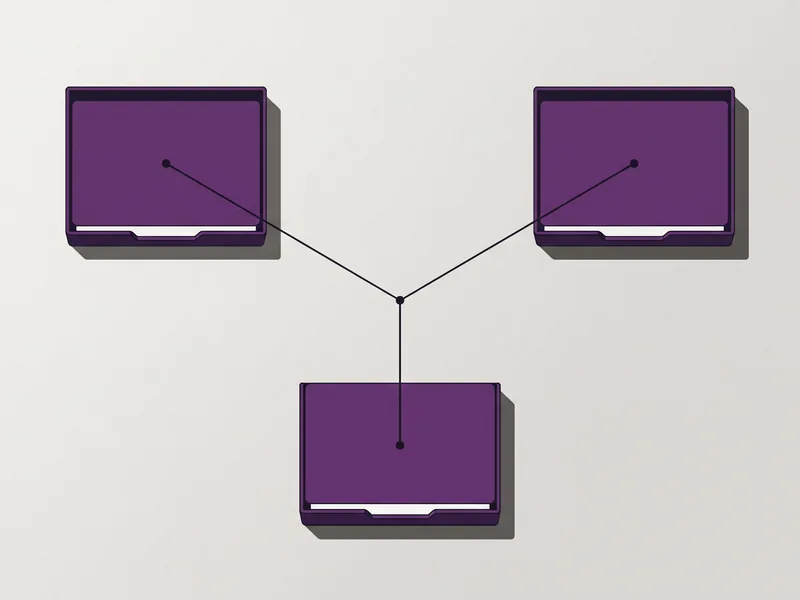
Yes: each section is assigned to its owner, finance, legal, security, HR, operations, with a named approver per answer and progress visible by batch.

03

Is our confidential material exposed?

No: indexing and processing happen in your private instance, never shared, in the jurisdiction you choose, with on-premise available. Your documents do not train any model.

04

What about questions we cannot answer?

They are declared as gaps, with the expert to involve and, where the gap is documentary, a first draft of the missing document. In due diligence an acknowledged gap can be negotiated; a hidden one is paid for at closing.

05

The DDQ is in English, our evidence is in French.

Answers are produced in the language expected, using the regulatory vocabulary of the recipient country, from a single repository. 109 languages are supported.

06

What does the investor see?

Approved answers and the documents cited, not internal scores or annotations. The audit trail stays with you, ready if a question comes back.

Bring the first round of questions you have received.

We run it in front of you, on your evidence, in your environment. Confidentiality framed up front: dedicated demo instance, no reuse, deleted after the session.

Demo on your documents See the interactive demo